What Belton Homeowners Should Know About Structural Repairs After Recent Storm Damage
When the recent severe weather swept through our area, the reality of living in America's heartland hit incredibly close to home. The tornado that touched down in Belton—carving a path through neighborhoods near the U.S. 71 and Missouri 58 interchange, including areas near S Cedar St in Belton, MO—left a visible scar on our community. For many homeowners, the storm transformed quiet neighborhoods into active recovery zones in a matter of minutes.
In the wake of a storm this powerful, the immediate relief is always that our families and neighbors came through safely. But once the immediate debris is cleared, the daunting task of assessing property damage begins. Whether a home has experienced fallen trees, structural damage, damaged siding, compromised gutters, or roof impacts, working with an experienced Kansas City general contractor homeowners trust can help ensure repairs are properly evaluated and prioritized.
When a house takes a hit from tornadic winds or falling trees, it is easy to focus all your attention on the most obvious problem: the roof. Seeing missing shingles or a hole in your decking naturally draws your eye upward. However, severe storms rarely limit their impact to a single area. While roof damage often gets the most attention, the immense pressure and physical force of a severe storm can ripple through a home’s entire structural framework, compromising everything from your exterior walls to your home's hidden framing. Understanding the full scope of storm damage is the first step toward truly securing your property.
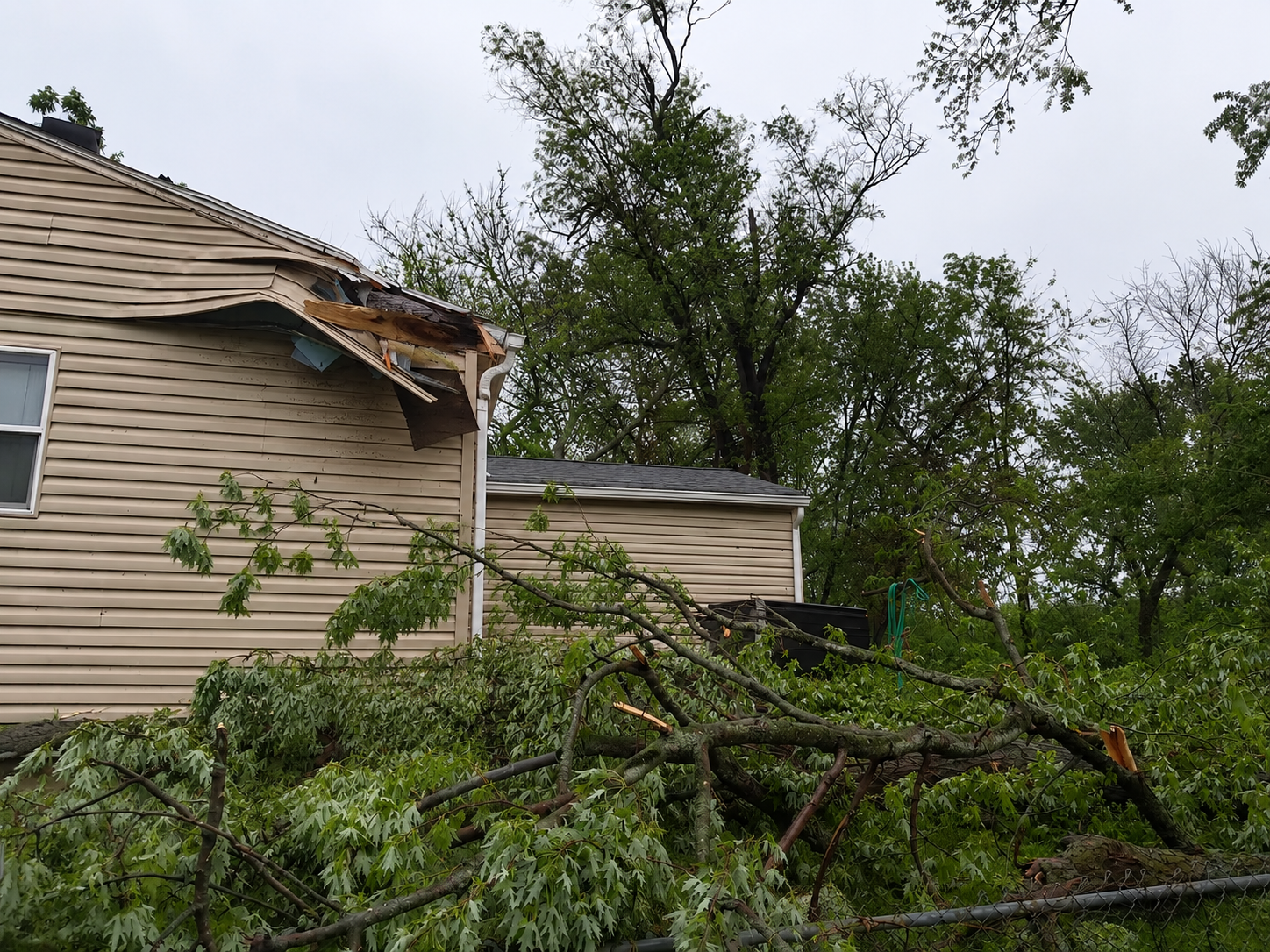
Storm Damage Often Extends Beyond the Roof
A residential home is an interconnected system of load-bearing components. When an extreme force—like high-velocity winds or a falling limb—strikes one part of the house, that energy doesn't just vanish. It transfers through the framing, frequently causing hidden complications far below the roof line.
Tree Impacts Can Affect Multiple Structural Components
When severe Missouri storms bring down mature trees or heavy branches, the resulting structural issues are rarely limited to a simple puncture in the ceiling. The immense weight and kinetic energy of a tree strike can compromise multiple layers of your home simultaneously.
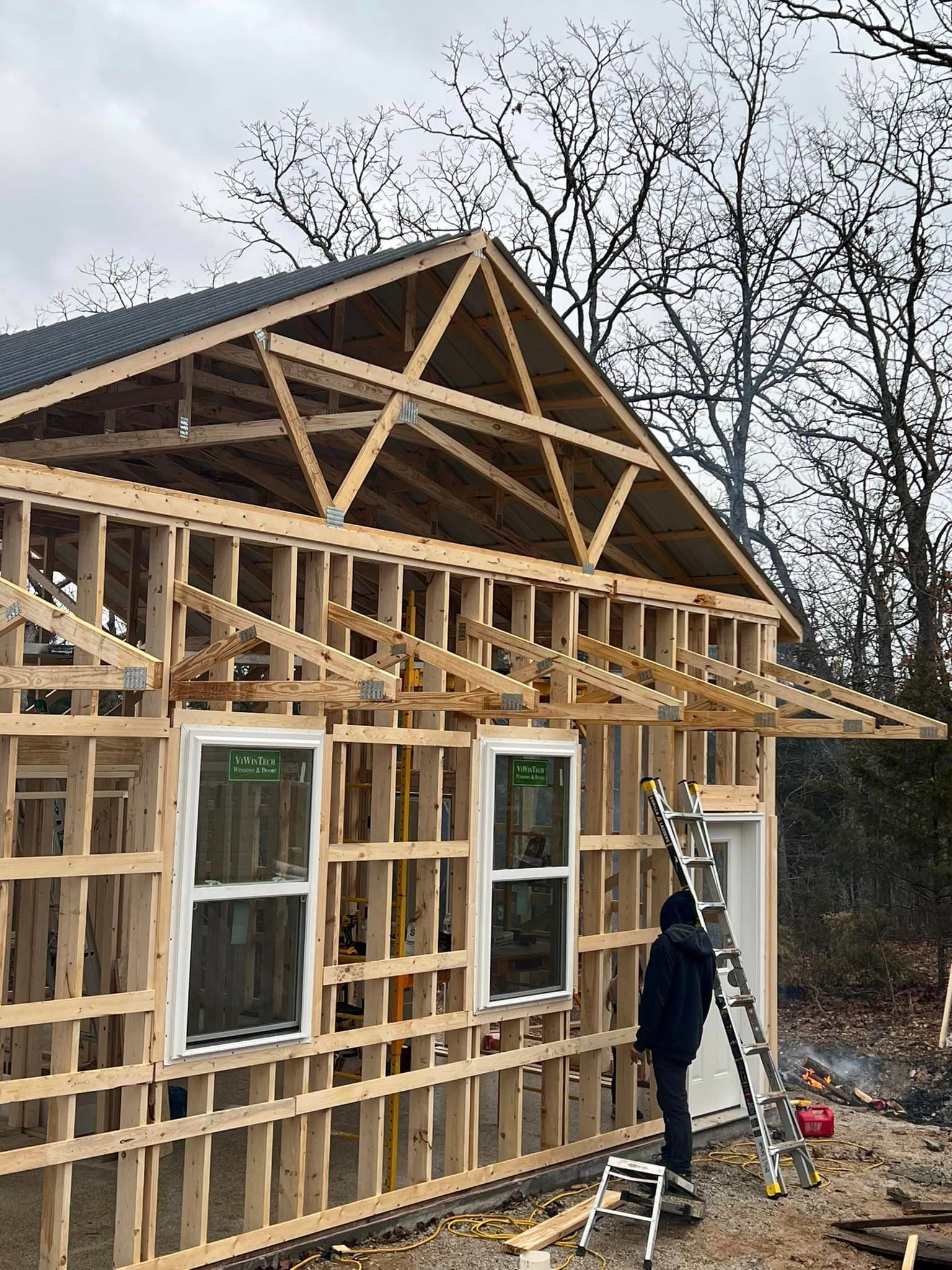
- Roof Framing: The initial impact can crack, splinter, or snap underlying rafters and trusses. Because trusses rely on a web of tension and compression to hold up your roof, a failure in one member weakens the entire grid.
- Roof Decking: Beyond the shingles, the heavy plywood or OSB sheathing can buckle or break entirely, destroying the home’s weather barrier and letting rain pour directly into the attic insulation.
- Exterior Walls: The downward force of a tree strike transfers straight into the load-bearing exterior walls. If the impact is violent enough, it can cause the wall studs to bow, shift off their plates, or crack, threatening the home's vertical alignment.
- Siding: Crashing limbs rarely fall perfectly flat; they scrape and smash down the sides of the house, crushing or tearing away vinyl, wood, or fiber-cement siding panels.
- Gutters and Fascia: As debris slides down the pitch of the roof, it frequently rips away the gutter troughs and crushes the fascia boards. This ruins your roofline and prevents the home from properly channeling water away during subsequent rains.
Wind Damage May Not Be Immediately Visible
Tornadoes and straight-line winds inflict intense stress through suction and rapid atmospheric pressure changes. Just because a house looks structurally sound from the curb doesn't mean it escaped unscathed.
- Lifted Roofing Materials: High winds create a powerful vacuum effect as they rush over a roof peak. This lifting force can break the thermal adhesive seals beneath your shingles. Once the wind dies down, the shingles often settle right back into place. From the yard, everything looks fine, but the wind and water resistance is completely gone.
- Water Intrusion Points: Micro-gaps created during the peak of the storm can allow wind-driven rain to force its way sideways into attics and wall cavities. You may not notice a steady drip right away, but water can slowly pool on insulation and rot framing over the coming weeks.
- Hidden Framing Concerns: Strong lateral (side-to-side) wind forces can push a home's framing out of square. This structural shifting can loosen the metal hurricane ties, rafter clips, and nails that hold your roof to your walls, weakening the home's response to future storms.
- Loose Siding and Trim: Wind can get behind siding panels, subtly loosening the fasteners. Over time, these unanchored sections will rattle, warp, or blow completely off during a minor storm.
Why Early Inspections Matter
The period immediately following a major storm is a critical window for your property. Waiting to see if structural issues manifest on their own is a gamble that usually ends up costing homeowners significantly more time and money.
The Danger of Deferred Maintenance: Small structural movements or minor water leaks do not fix themselves. What starts as a hairline fracture in a rafter or a tiny leak in a roof valley can evolve into a major structural failure under the weight of the next heavy snow or rain event.
Catching problems early prevents moisture damage—the number one catalyst for toxic mold growth, rotted wood, and ruined drywall. Most importantly, a comprehensive structural evaluation identifies hidden safety concerns. A home with compromised load-bearing walls or fractured roof framing is a safety hazard to everyone living inside it. Getting a professional inspection done right away ensures you have the documentation needed for your insurance claim and a clear, accurate roadmap for restoring your home's long-term integrity.
What Belton Homeowners Should Inspect After a Severe Storm
Once it is completely safe to walk around your property, conducting a systematic visual inspection is essential. Finding and documenting issues early helps protect your property value and ensures your insurance claim is accurate. Grab a notebook, your phone camera, and a flashlight to check these critical areas.
Exterior Components
Start your assessment at ground level by inspecting the exterior envelope of your home. You do not need to climb onto a damaged roof to spot these vital warning signs.
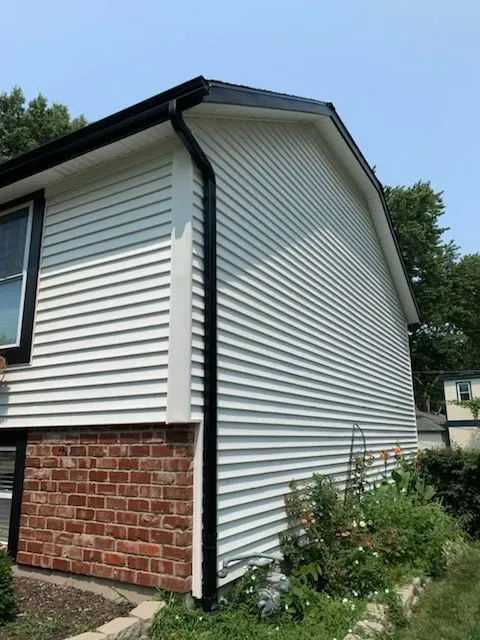
- Gutters: Look for sagging sections, loose brackets, or troughs that have pulled completely away from the roofline. Check for heavy accumulations of shingle granules inside the gutters, which indicates severe wind abrasion.
- Soffits: Check the undersides of your roof overhangs. Look for cracked, loose, or missing soffit panels. Damaged soffits can allow wind-driven rain or pests straight into your attic space.
- Fascia Boards: Inspect the wooden or aluminum trim boards directly behind your gutters. Look for splitting wood, displaced metal wrapping, or areas where the boards are starting to rot due to water exposure.
- Siding: Walk the entire perimeter of your home. Check for cracked vinyl, dented aluminum, or chipped fiber-cement siding. Pay close attention to areas where siding panels look warped or loose, as wind may have compromised the fasteners underneath.
- Windows: Inspect frames for cracks, gaps, or warping caused by structural shifting. Check the glass panes for impact fractures, and look closely at double-pane windows for fogging, which indicates a broken thermal seal.
Structural Areas
Next, turn your attention to the framing and secondary structures around your property. Severe winds and falling debris can compromise the stability of these areas.
- Roof Framing (Viewed from the Attic): If you can safely access your attic, shine a flashlight up at the rafters and trusses. Look for splintered wood, cracked beams, or horizontal shifting at the ridge board. Also, check for protruding nails, which indicate that the roof decking has lifted away from the framing.
- Decks and Porches: Inspect the support posts where they meet the ground or concrete footings to ensure they haven't shifted. Check the ledger board—the critical connection point where the deck attaches to the house—for any gapping or loose bolts.
- Garage Structures: Detached or attached garages are highly vulnerable to wind uplift. Check that the garage walls are perfectly vertical and square. Inspect the tracks of the garage door to ensure they haven't been bent or twisted by intense wind pressure.
- Fencing: Check for leaning posts, broken rails, or missing panels. Pay close attention to gates, as warped framing or shifted fence posts will cause latches and hinges to misalign and stick.
Interior Warning Signs
Often, the most definitive proof of structural storm damage shows up inside your living spaces. Structural shifting and water leaks leave clear footprints on your drywall and flooring.
- Ceiling Stains: Look for yellow, brown, or bubbling spots on your ceilings, especially in upper-floor rooms. These are direct indicators of active roof or attic leaks that require immediate attention.
- New Drywall Cracks: Inspect your walls, particularly around the corners of doors and windows or where walls meet the ceiling. New diagonal cracks suggest that the home's framing shifted or settled under extreme wind loads.
- Doors and Windows Sticking: Try opening and closing every door and window in your home. If a door suddenly rubs against its frame, fails to latch, or a window becomes incredibly difficult to slide open, the structural openings may have been pushed out of square.
- Signs of Water Intrusion: Check the baseboards on exterior walls for swelling or discoloration. Feel the carpet or flooring near windows and exterior doors for dampness, which suggests that wind-driven rain found a pathway through your siding or weatherstripping.
Planning Long-Term Repairs and Recovery
Moving from the initial shock of storm damage to actual property restoration requires careful planning. Rushing into quick fixes can leave hidden vulnerabilities unaddressed, while waiting too long can cause minor issues to spiral. A strategic approach ensures your home is fully restored and better protected against future weather events.
Prioritize Safety and Stabilization
Before launching permanent rebuilding projects, your immediate focus must be on securing the property to prevent further deterioration or injury.
- Debris Removal: Clear broken branches, shattered glass, and loose building materials from walking paths and your home's perimeter. Always wear heavy gloves and thick-soled shoes, and watch out for exposed nails or structural elements under tension.
- Temporary Protection: If your roof decking is exposed or windows are broken, secure them immediately. Tarping damaged roof sections and boarding up open windows will keep rain and wildlife out, protecting your remaining interior structure.
- Preventing Additional Damage: Check that your remaining gutters are clear so water doesn't pool against your foundation. If structural framing looks compromised, avoid entering those rooms until a professional can install temporary structural supports.
Documenting Damage
A successful insurance claim and restoration plan rely heavily on thorough, organized proof. Do not throw away damaged items or start permanent repairs until everything is thoroughly recorded.
- Photos and Videos: Take clear, well-lit photos and videos of every single issue you find, both inside and out. Capture wide angles to show the context of the damage, followed by close-ups of specific cracks, dents, or leaks.
- Inspection Reports: Keep physical and digital copies of reports from structural engineers, roofers, or home inspectors. These professional evaluations carry significant weight with insurance adjusters.
- Repair Estimates: Gather detailed, itemized estimates from licensed, insured contractors. Make sure the quotes clearly separate material costs from labor so your insurance company can see exactly what is required to bring the home back to pre-storm conditions.
Rebuilding for Long-Term Durability
When it is time to rebuild, aiming for the status quo is a missed opportunity. Upgrading your home’s materials and engineering during structural repairs will better prepare it to withstand future Missouri weather challenges.
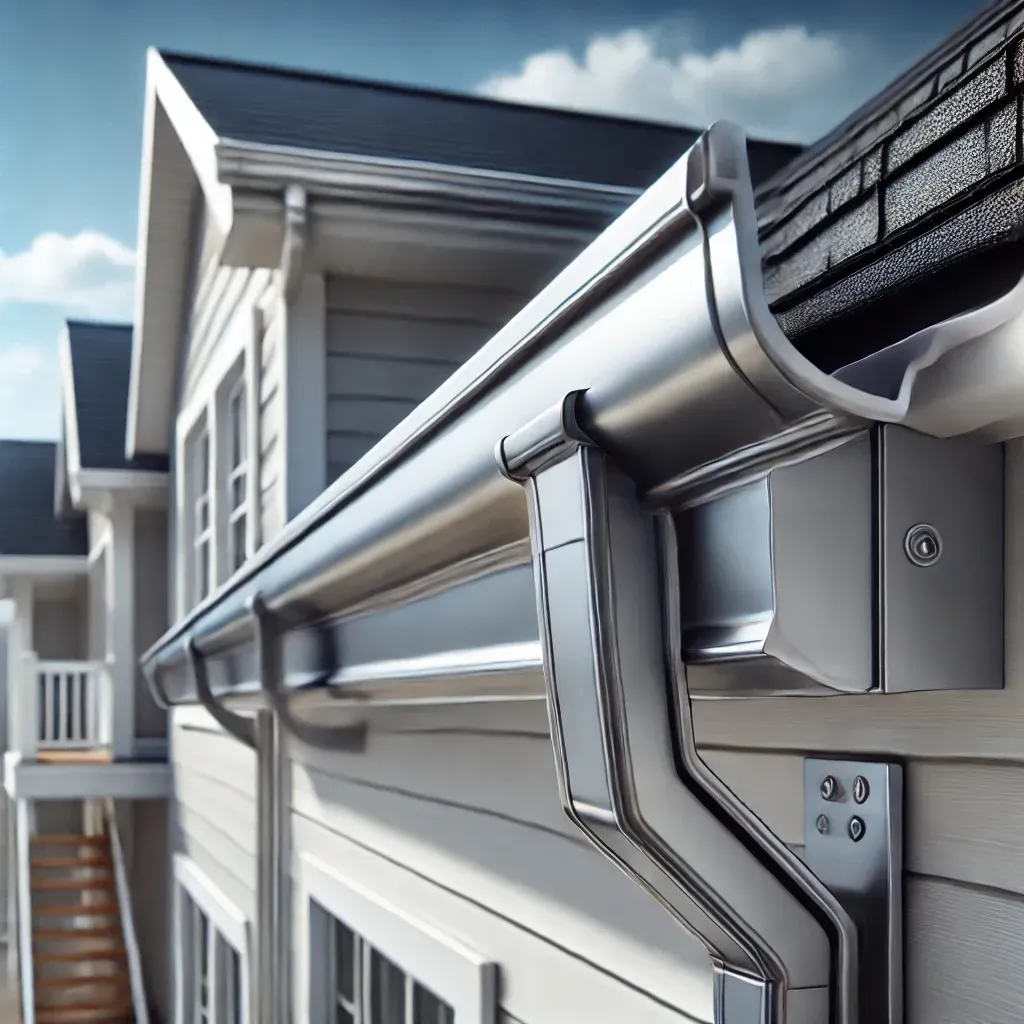
- Improved Drainage Systems: If your gutters and fascia are being replaced, consider upgrading to seamless, heavy-gauge aluminum gutters and larger downspouts. This ensures your home can handle the intense downpours common in Midwestern spring storms.
- Stronger Exterior Materials: Replace damaged siding with impact-resistant fiber-cement or thick, wind-rated vinyl. When replacing roofing, look into Class 4 impact-resistant shingles, which are engineered to survive heavy hail and high winds much better than standard asphalt shingles.
- Structural Repairs Where Needed: If your roof framing or wall studs shifted, ensure your contractor uses metal hurricane ties, rafter clips, and structural screws rather than just standard framing nails. This firmly anchors your roof structure to the wall plates, drastically improving the home’s wind-resistance.
Conclusion
Belton residents have faced significant weather challenges recently, and recovering from an event as intense as a tornado takes time, patience, and a community effort. While the visual impact of missing shingles or fallen trees can be overwhelming, remember that a home can be successfully rebuilt to be even stronger than it was before.
A comprehensive inspection is your best tool in this process. By taking the time to uncover hidden structural shifting, micro-tears in your home's weather barrier, and early interior warning signs, you protect yourself from expensive surprises down the road. Thoughtful, durable structural repairs will not only restore your property today but will actively safeguard your home’s structure, safety, and long-term value for years to come.
Ready to work with
Big T Construction?
Let's connect! We’re here to help.
Send us a message and we’ll be in touch.
Or give us a call today at 816-447-0513
Agency Contact Form
More Marketing Tips, Tricks & Tools
Big T Construction Blog